I built and ran captives, finance and insurance. Now I help manufacturers work out whether they should have one.
No commission. No management contract afterwards. Nothing to sell you once the question is answered. So I can tell you not to do it.
How the review works
| Share of group revenue | ~6% |
| Share of group operating earnings | ~22% |
| Delinquency, 60 days and over, US book | 1.3% |
I was responsible for these businesses. The revenue and delinquency figures are in the company's published results; the earnings share is calculated from them.
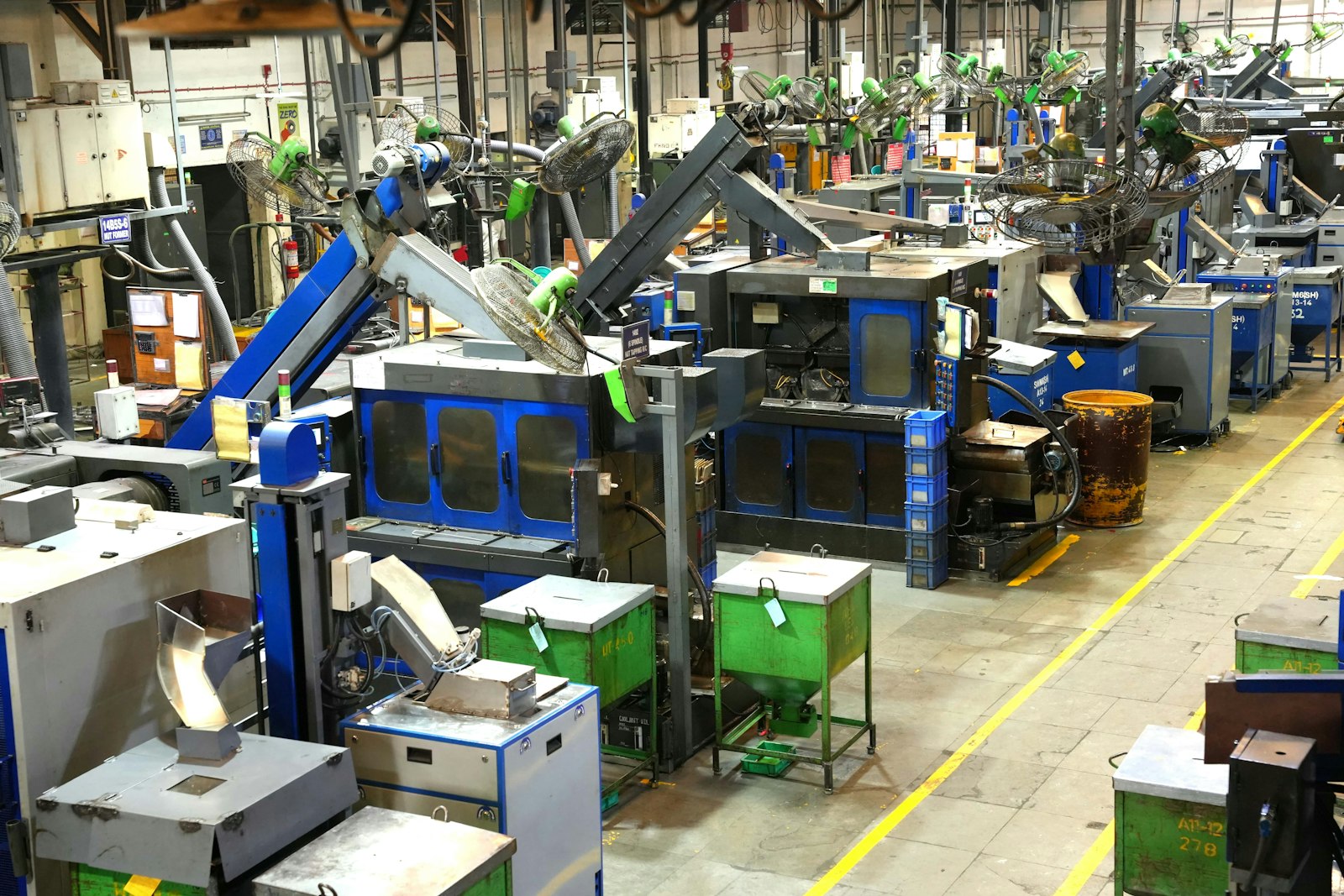
Aerospace, medical devices and specialty chemicals across Connecticut, New Jersey and New York.
Two things are called a captive
Most advisers work on one. Different regulators, different economics, and usually different people inside your company.
| Captive finance An in-house bank. Lends to your customers or your dealers so they can buy what you make. | |
| Captive insurance Your own insurer. Carries risks you understand better than the market prices them. |
At Snap-on I ran both, supporting the same franchise network. Which means I can tell you whether the two should be talking to each other. In most companies they are not.
Where I work
Manufacturers and franchise or dealer networks large enough that a captive is a real decision rather than a tax idea. Aerospace and defense suppliers in Connecticut, pharmaceutical and medical device manufacturers in New Jersey, and the industrial base across the New York corridor.
I am not a broker, a captive manager, or a tax adviser. I do not form entities or place insurance. Nothing waits for me on the other side of a yes.
Is a captive worth studying in your situation?
Four questions, two minutes. It will tell you no if the answer is no. Nothing you enter leaves your browser.